Author Description
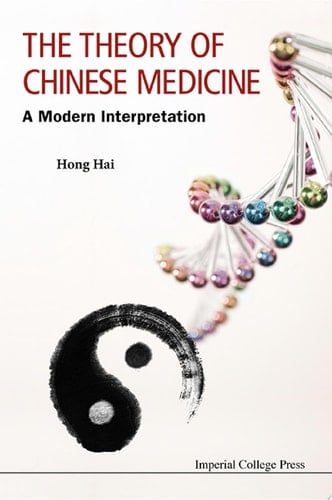
This path-breaking book reinterprets Chinese medicine using the approach of the philosophy of science in a manner that strikes common ground with biomedical science. It strips Chinese medical theory of the mystique and metaphysical pretentions that too often plague the discipline, presenting this theory as being derived from empirical observations and clinical findings. Concepts like qi and phlegm and vital organs like the shen (kidney) are interpreted, not as physical entities with defined measurable properties, but as constructs to facilitate the application of models for diagnosis and therapy. The author evaluates the five-element model and the diagnostic-therapeutic paradigm of Chinese medical syndromes, and suggests how these heuristic models can be subjected to clinical trials. Principles governing the use of herbal, acupuncture, tuina and qigong therapies are elucidated and critically examined. Written for medical professionals, philosophers of medicine and discerning readers interested in alternative therapies, the book also has practical chapters on the placebo effect and Chinese medical treatment of chronic illnesses, and a useful compilation of common Chinese herbs and formulations. Contents: Chinese Medical Theory and Its Rational Reconstruction Chinese and Western Medical Thought: History and Issues Translating Chinese Medical Terms TCM Theory: Basic Entities Organ and Meridian Systems TCM Models in Explanation and Prediction Evidence for TCM Theory Placebo Effects and Cultural Factors Conclusion: TCM Theory Reinterpreted TCM Treatment of Chronic Illness Chinese Medicinal Herbs Readership: Medical professionals, both Western medical doctors and TCM practitioners; libraries of TCM professionals, associations and teaching institutes; scholars interested in the theoretical basis for Chinese medicine, and the inf
Page Count:
292
Publication Date:
2014-04-03
ISBN-10:
1783264292
ISBN-13:
9781783264292