Author Description
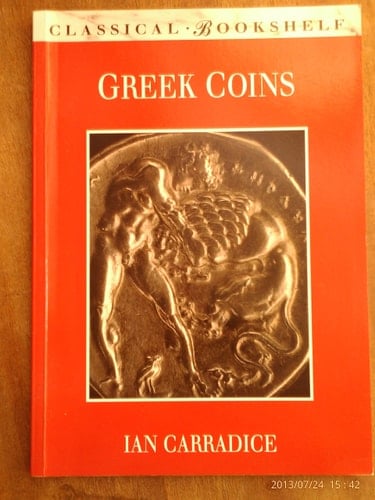
Of the many traditions we have inherited from the ancient Greeks, the use of coins must rank as one of the most important. From its first appearance in the region of Lydia (western Turkey) in the late seventh century BC, coinage gradually spread throughout the Greek world, and the history of the ancient Greeks is reflected in its evolution. Designs on Greek coins include the badges of city-states, portraits of rulers, images of Greek gods, scenes from myths and objects of daily life, and are often works of art in themselves. The dies, carved by craftsmen, sometimes bear the name or initials of the mint official responsible for their issue, and the coins might have circulated in trade, been used as gifts or dedications, or hoarded as valuables. Ian Carradice here outlines the history of Greek coins from the seventh to the first century BC, showing how they can throw light on an ancient world of wide geographical boundaries and great cultural diversity. He also considers the lasting impact of Greek coins on later civilisations. The illustrations present the full range of the die-carvers' achievement, revealing many Greek coins to be miniature masterpieces of sculpture.
Page Count:
116
Publication Date:
1999-12-30
ISBN-10:
0714122106
ISBN-13:
9780714122106