Author Description
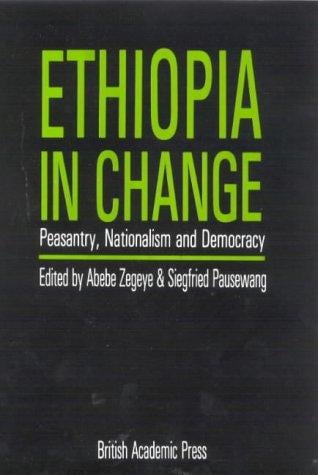
After the fall of Haile Selassie in 1974 Ethiopia experienced a short period of unprecedented freedom and decentralization. This was rapidly followed by a stringent regime of centralized control over people and resources which has played a powerful role in determining the problems faced by Ethiopia today. In the light of the Mengistu period, this book attempts to assess the prospects for change and to identify key policies which must be implemented if Ethiopia is to secure stable and democratic government and economic progress. Bringing together contributions by Ethiopian and European scholars from several disciplines, the book reviews the implications of economic policy for agrarian transformation and development, the effects of Eritrean independence, environmental degradation, food security, ethnic factors and the political process itself. The contributors examine ways in which the Ethiopian people can be involved in a more decentralized and democratic structure which will harness their resources, initiatives and capacities. This book will prove essential reading for all those with an interest in the transition to democratic forms of government in the developing world and in the future of Ethiopia in the post-Cold War era.
Page Count:
333
Publication Date:
1994-01-01
ISBN-10:
1850436444