Author Description
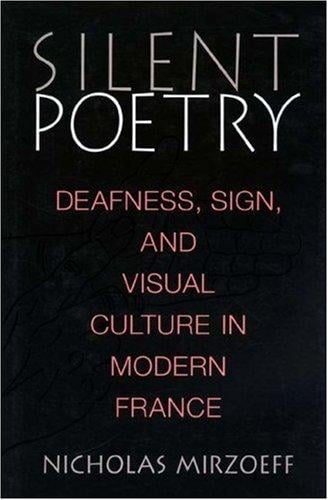
This book explores the dynamic interaction between art and the sign language of the deaf in France from the philosophes to the introduction of the sound motion picture. Nicholas Mirzoeff shows how the French Revolution transformed the ancien regime metaphor of painting as silent poetry into a nineteenth-century school of over one hundred deaf artists. Painters, sculptors, photographers, and graphic artists all emanated from the Institute for the Deaf in Paris, playing a central role in the vibrant deaf culture of the period. With the rise of Darwinism, eugenics, and race science, however, the deaf found themselves categorized as "savages," excluded and ignored by the hearing. So this book is not concerned simply with recovering forgotten art, or the claims of a minority, but with the process and history of marginalization, the constitution of a "center" from which the abnormal could be excluded, and the vital role of visual culture within this discourse. Based on groundbreaking archival and pictorial research, Mirzoeff's exciting and intertextual analysis of what he terms the "silent screen of deafness" produces an alternative history of nineteenth-century art that challenges canonical views of the history of art, the inheritance of the Enlightenment, and the functions, status, and meanings of visual culture itself. Fusing methodologies from cultural studies, poststructuralism, and art history, this book will be important for students and scholars of art history, cultural and deaf studies, and the history of medicine.
Page Count:
317
Publication Date:
1995-01-01
ISBN-10:
0691037892