Author Description
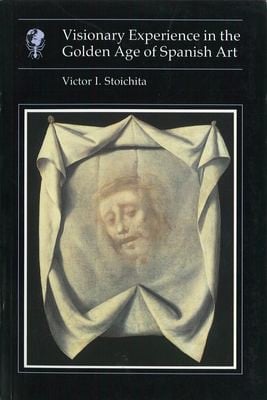
"One of the most significant features of the religious spirit of the Counter-Reformation was Spanish mysticism, a vital aspect of which was visionary experience. In this exploration of the relationship between the ecstatic experience of the Sacred and the art of painting in the Golden Age, Victor I. Stoichita starts from the premise that visionary experience is in fact the apprehension of an image, for a vision implies the manifestation of the Divinity itself. Although painters in Spain before the late sixteenth century had shown little interest in depicting visions, in the seventeenth it was a crucial topos: at this time a number of artists sought to include in their paintings both the vision itself and the visionary saint at the moment of ecstasy. Further, they explored ways of implicating the beholder of the work as a privileged witness to the 'reality' of the event represented, and also of means to make the work itself serve as a vision-inducing agent." "The challenges that beset artists were considerable. How, for example, was one to portray the unrepresentable, or develop a readable figurative code of ecstatic gesture? Further, Spanish visionary literature included criticisms of the employment of paintings in the exercise of religious devotion, while writings on religious art and Christian iconography were also often at odds. The author's insights into the ways that painters responded to the celebrated visions of popular saints, and of how the role of the beholder of works of art - works often bewildering in their multiple 'realities' - was manipulated, insistently demonstrate that the art of devotion in the Golden Age continued throughout as cerebral as it was impassioned."--BOOK JACKET.
Page Count:
208
Publication Date:
1995-01-01
ISBN-10:
0948462752