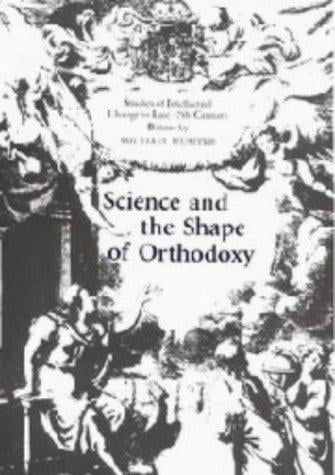
Science and the shape of orthodoxy: intellectual change in late seventeenth-century Britain
0
0
Author Description
The late seventeenth century was a period of deep transition in British intellectual life. These years are usually associated with the rise of the new, experimental science, symbolised by the foundation of the Royal Society in 1660; but science coexisted with other intellectual traditions which displayed equal vitality, including historical and philological learning. Additionally, attitudes to magic and the wisdom of antiquity were in flux, while thinking was dominated by anxiety about 'atheism' and intellectual trends that were seen to abet this. In his introduction Michael Hunter draws on these studies to propound a new theory of intellectual change in this key period. Traditionally it has been seen in terms of simple polarisations - modernity against obfuscation, orthodoxy against subversion. Here, it is argued that such polarisations represent influential but idealised extremes, to which thinkers individually responded; scholars must in future have due regard to the balance between ideal types and individual complexities thus revealed.
Page Count:
345
Publication Date:
1995-01-01
ISBN-10:
0851155944
Community Tags
Reader Comments
Share Your Thoughts
No comments yet. Be the first to share your thoughts!