Author Description
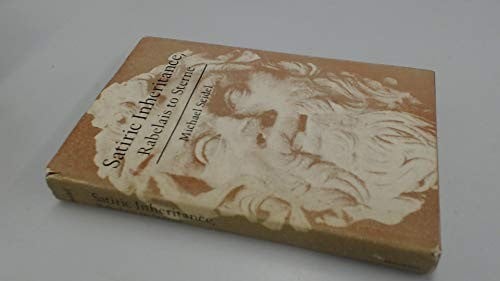
In Satiric Inheritance: from Rabelais to Sterne Seidel sets out to undermine the ethical rationalizations for satiric action, which make the satirist a spokesman for those eager to claim moral hegemony in any given age. Most criticism of satire separates the satirist from the object of his scorn, and allies him with the rational humanism that scholars have considered their own. This alliance enables the scholar to speak both for himself and the satirist, to accuse and to exonerate with an authority which only those possessed of a bogus moral monopoly can claim. In place of the "all too easy answers about the nature of satiric action" (p. 3), Seidel substitutes the discomfiting knowledge that "the satirist is deeply implicated in satire's degenerative fictions precisely because he thrives as the chronicler of degenerative norms" (p. 4). As a result, "the satirist, having taken on a kind of monstrosity as his subject, makes something of a monster of himself" (p. 3). -- from http://www.jstor.org (June 13, 2014).
Page Count:
283
Publication Date:
1979-01-01
ISBN-10:
0691064083
Community Tags
Reader Comments
Share Your Thoughts
No comments yet. Be the first to share your thoughts!