Author Description
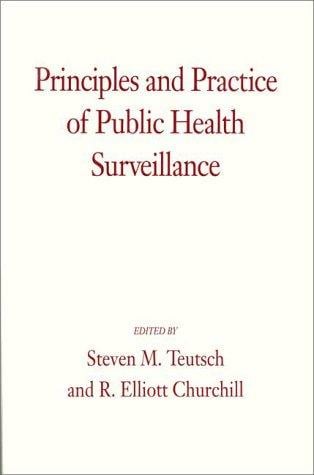
Public health surveillance is the systematic, ongoing assessment of the health of a community, based on the collection, interpretation, and use of health data. Surveillance provides information necessary for public health decision making. There is a constant need for new data to keep up with changing priorities within the community. In the past, no single resource has been available to educate professionals about the underlying principles and practice of public health surveillance. This text fills that gap, presenting an organized approach to planning, developing, and implementing public health surveillance systems. It has a broad scope, discussing legal and ethical issues as well as technical problems, and has the flexibility to be applied in a wide variety of settings. The book goes beyond the surveillance of particular conditions to the basic elements common to the application of surveillance to any type of health-related problem. This textbook supplies public health professionals and students of epidemiology with the theoretical and practical tools necessary to design, implement, evaluate, and use effective surveillance programs.
Page Count:
274
Publication Date:
1994-01-01
ISBN-10:
0195080211
Community Tags
Reader Comments
Share Your Thoughts
No comments yet. Be the first to share your thoughts!