Author Description
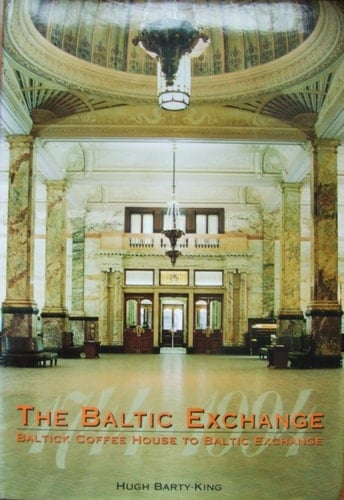
In 1744 the owners of a coffee house in Thread needle Street in London change its name from Virginia and Maryland to the Virginia and Baltick. That change effectively marks the beginning of what is now the Baltic Exchange. This book traces the events of the 250 years that have passed since then, and looks closely at the commercial world in which members of the Exchange now operate. The change of name was no mere attempt to establish a different image. It reflected the effects on trading of the hostilities then being waged against Spain and France. As this book shows, the development of the Baltic Exchange over the years has been shaped by the full range of local, national and international events. Its development also parallels the enormous changes in society and advances in technology that have taken place since the mid-eighteenth century. The eighteenth-century merchants met in London coffee houses to make arrangements and draw up agreements for the transportation of goods by sailing ships. The Twentieth-century members communicate with one another electronically, are concerned with commodities some of which were known 250 years ago, and arrange for them to be transported by bulk carrier and oil tanker and sometimes by air. They also buy and sell ships. But everyday reminders of the origins of the Baltic trade remain. The charter-party, the agreement used since the early nineteenth-century, is still the form of trading contract. And while much business is conducted by fax and electronic link, the informal contracts over coffee have their part in international trading. The most important reminder is the continuing concern of the members of the Exchange to maintain the high standard of business ethics for which they have been known since their earliest days.
Page Count:
177
Publication Date:
1994-01-01
ISBN-10:
1870948912
ISBN-13:
9781870948913