Author Description
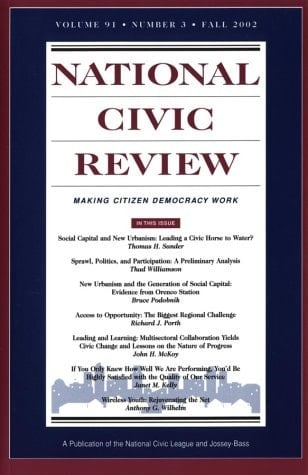
For much of the last century, civic planning acted on the principlethat we were only the next subdivision away from the Americandream. Sprawl, dislocation, and civic disengagement was the result.Social capital, those social networks and the attendant norms oftrust and reciprocity, became an endangered resource. By promotingcommunities that are denser, less car-dependent and have a diversemix of residential, business, and retail elements, New Urbanismseeks to rebuild the ties between individuals and theircommunities. Such communities, New Urbanism argues, foster moreinteraction among their residents, and lead to an increase inbonding social capital. This issue examines in depth the potential impact of NewUrbanist design principles in the creation of social capital andanalyzes the underlying premise of New Urbanism which argues thathow we design our communities affects how we live our lives.Contributors provide a comprehensive introduction to the issues,assess what has been learned so far, and indicate directions forfurther research. Chapters include a comparative analysis of New Urbanistneighborhoods in Portland, Oregon, that reveals how initialcomposition of such neighborhoods by self-selecting residentscreates high levels of bonding, but community composition shiftsover time also need to be factored in. The intriguing relationshipbetween reduced dependence on the automobile and civic engagementis studied in depth, along with the clear need to change how weformulate urban policy and foster suburban expansion. Methods toincrease collaboration among a diverse set of interests and theimportance of civic intermediary organizations in conveningdiscussions and fostering productive relationships are alsoexplored.
Page Count:
112
Publication Date:
2002-12-10
ISBN-10:
0787963631
ISBN-13:
9780787963637