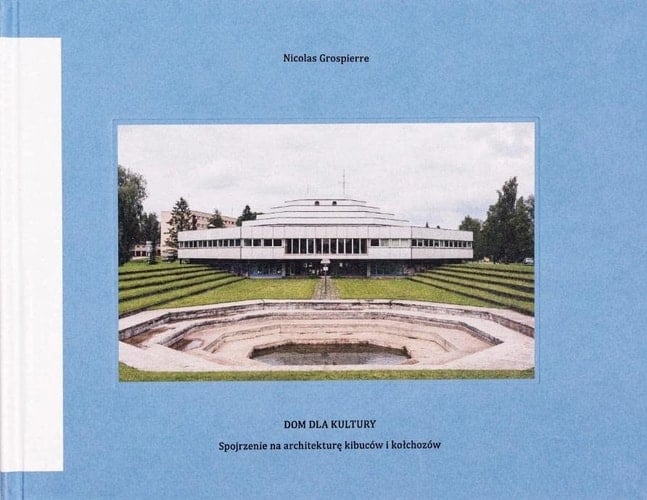
Dom dla kultury spojrzenie na architekturę kibuców i kołchozów
0
0
Author Description
The modernist project often perceived architecture not only as an end in itself, but also as a means supporting the harmonious development of society. This view of architecture as social design bloomed in two analogous yet dissimilar organizations: the Israeli Kibbutz and the Soviet Kolkhoz. In both systems, architecture, and especially the communal buildings, were seen as the backbone of the communities' internal dynamics. Consequently, houses of culture, dining halls, and libraries were systematically built in most kibbutzim and in many kolkhozes of the Baltic states. Because of their perceived central role as community supports, their architecture was often representative and experimental. However, the demise of socialism and privatization trends led many common buildings to be transformed or simply abandoned. 'A House for Culture' reveals the current state of these buildings through a photographic cross-comparative typology laid out in a photo book. Ultimately, this project shows the forgotten ideals of this utopian-inspired architectural achievement and its legacy today.
Page Count:
216
Publication Date:
2022-01-01
ISBN-10:
8396282528
ISBN-13:
9788396282521