Author Description
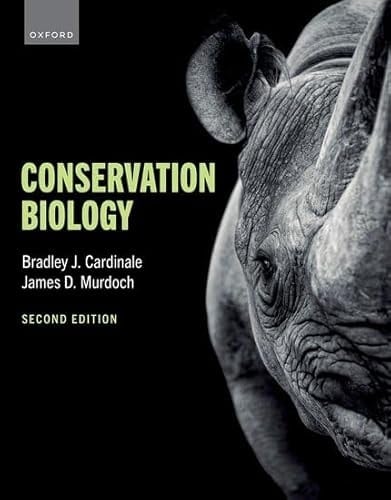
We Wrote This Book To Inspire The Next Generation Of Conservation Biologists To Help Humans Become Better Stewards Of The World's Biodiversity. In Doing So, Our Desire Was To Fill Two Key Gaps In The Education Of Most Conservation Biologists That Are Beginning Their Studies. This First Gap Is Interdisciplinary Training. Most Textbooks Of Conservation And Most University Courses In Conservation Focus On The Discipline's Historical Roots In The Natural Sciences (e.g., Botany, Ecology) And Disciplines Of Natural Resource Management (e.g., Forestry, Fisheries, Wildlife Management). But Conservation Is No Longer A Group Of Ecologists, Wildlife Biologists, Or Fisheries Scientists Trying To Save Their Favorite Species In A Dwindling Habitat. The Modern Practice Of Conservation Relies On Numerous Disciplines From The Social Sciences That Account For Human Behaviors, Values, Needs, And Decision Making. Modern Conservation Relies On Disciplines From Engineering And Architecture To Help Plan, Design, And Construct Practical Solutions To Problems. And Finally, Modern Conservation Relies On Disciplines From The Humanities That Compose Law And Policy, And That Communicate Effectively Through Literature, Art, And Photography. Numerous Examples And Exercises From These Fields Have Been Woven Into This Textbook To Help Improve Interdisciplinary Training. The Second Gap We See In The Education Of Conservation Professionals Is Skills-based Training. Over The Past Few Decades, Many Universities Have Eliminated Course Requirements In Biology, Chemistry, Physics, And Math As Demand For Bachelor Of Science Degrees Has Waned And Demand For Bachelor Of Arts Programs Has Increased (e.g., Bas In Environmental Sciences, Earth Science, Conservation Ecology, Etc.). Many Textbooks Have Been Written To Support Ba Programs That Focus On Giving Students Broad Introductions To Fields Like Conservation Biology. But Few Texts Develop The Depth Of Methods, Tools, And Techniques That Students Will Need To Be Successful Practitioners In The Field. We Have Carefully Chosen The Most Important Quantitative Concepts, Methods, Tools, Techniques, And Models That Students Need For A Career In Conservation, And We Explain Those In Simple Terms While Also Providing The Practice Needed To Master These New Skills. Given Our Focus On More Interdisciplinary, Skills-based Training, This Book Is Written For Aspiring Conservation Biologists Who Need More Advanced Training Than Is Typically Offered In An Introductory Level Class. Conservation Biology, 2e Supports Courses For Upper-division Undergraduates Who Have Already Had Some Introduction To Environmental Science, Ecology, Wildlife Biology, Forestry, Or Other Fields Related To Conservation. This Book Can Also Be Used For Entry Level Graduate Courses Such As Those In The Growing Number Of Professional Master's Programs That Provide Advanced Degrees In Environmental Science, Policy, Management, Or Sustainability-- Provided By Publisher.
Page Count:
672
Publication Date:
2025-01-17
ISBN-10:
0197667015
ISBN-13:
9780197667019
Community Tags
Reader Comments
Share Your Thoughts
No comments yet. Be the first to share your thoughts!