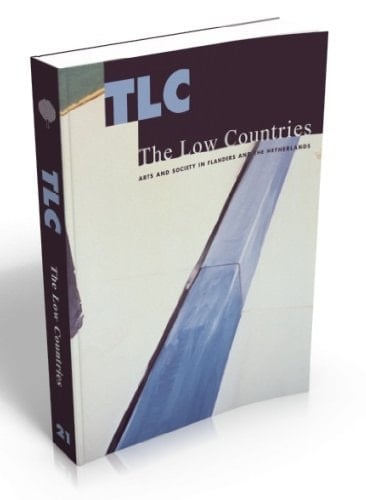
The low countries arts and society in Flanders and the Netherlands, a yearbook
0
0
Author Description
‘Borders' are the theme of the 21st edition of this yearbook. The inspiration for this theme is the commemoration of the Treaty of Utrecht in 1713, which was proclaimed exactly three hundred years ago. This European peace treaty put an end to a century of unremitting war on the old continent. It also laid the foundations for a new distribution of power. Spain lost its global power, to the benefit of England. France consolidated its victories on its northern border. While the Republic of the Netherlands stood by and watched. The de facto border between the Kingdom of France and the Southern Netherlands - to become the Austrian Netherlands in 1713 - was established. A border that has barely changed since then. Today it is still the border between Belgium and France, between Flanders and France and between the Dutch and French languages. Borders shut off, shut up and shut out. They limit and keep dull. According to the mantra of false cosmopolitanism, that is. But suppose all borders were contingent: they are where they are, but could have been drawn differently. Those who constantly want to discuss them and tinker with them open up a Pandora's box. Borders do indeed limit, but only in the sense that they determine what we are and are not. They make the ‘other' possible. And isn't the paradox of borders that you must accept them if you want to transcend them?
Page Count:
315
Publication Date:
1999-01-01
ISBN-10:
9079705152
ISBN-13:
9789079705153