Author Description
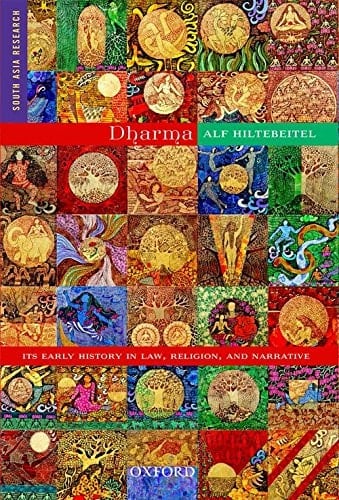
Between 300 bce and 200 ce, concepts and practices of dharma attained literary prominence throughout india both buddhist and brahmanical authors sought to clarify and classify their central concerns, and dharma proved a means of thinking through and articulating those concerns alf hiltebeitel shows the different ways in which dharma was interpreted during that formative period: from the grand cosmic chronometries of kalpas and yugas to narratives about divine plans, gendered nuances of genealogical time, royal biography (even autobiography, in the case of the emperor asoka), and guidelines for daily life, including meditation he reveals the vital role dharma has played across political, religious, legal, literary, ethical, and philosophical domains and discourses about what holds life together through dharma, these traditions have articulated their distinct visions of the good and well-rewarded life this insightful study explores the diverse and changing significance of dharma in classical india in nine major dharma texts, as well some shorter ones dharma proves to be a term by which to make a fresh cut through these texts, and to reconsider their own chronology, their import, and their relation to each otherbook features:examines dharma as a means to deepen investigation of early interactions between buddhism and classical brahmanical hinduism treats the relation between legal texts on dharma and the treatment of dharma in the literary (including but not limited to epic) traditions as never before breaks new ground in study of dharma over time
Page Count:
0
Publication Date:
2021-01-01
ISBN-10:
0198096259
ISBN-13:
9780198096252
Subjects