Author Description
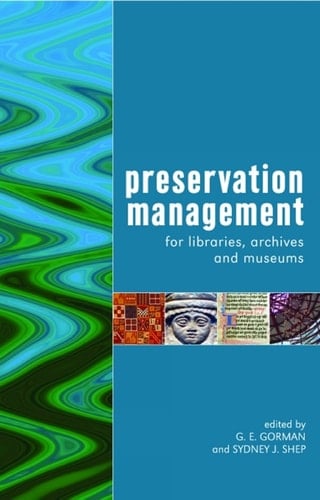
Memory institutions such as libraries, archives, galleries and museums all share pressing concerns about preserving heritage, whether in the form of material and documentary cultural artefacts in collections, or in the form of new digitally born material. Recent incidents of natural disaster and cultural genocide, together with the global turn to digitization, have forced librarians, archivists and curators to rethink and restructure their primary modes of operation. Preservation management now sits at the top of the agenda for heritage institutions around the world, as collection development policies and practices are negotiated between libraries, museums, archives, funding agencies and governments. Historically separate cultural institutions are now converging to share limited resources, develop compatible ideologies and co-ordinate distributed collections. This forward-looking collection charts the diversity of preservation management in the contemporary information landscape, and offers guidance on preservation methods for the sustainability of collections from a range of international experts. The authors are connected to a wide international network of professional associations and NGOs, and have been selected not only for their specific expertise, but for the contribution they are making to the future of preservation management. The chapters cover: managing the documentary heritage: issues for the present and future preservation policy and planning intangible heritage: museums and preservation surrogacy and the artefact moving with the times in search of permanence a valuation model for paper conservation research preservation of audiovisual media: traditional to interactive formats challenges of managing the digitally born artefact preserving cultural heritage in times of conflict access and the social contract in memory institutions red
Page Count:
304
Publication Date:
2006-08-18
ISBN-10:
1856049213
ISBN-13:
9781856049214