Author Description
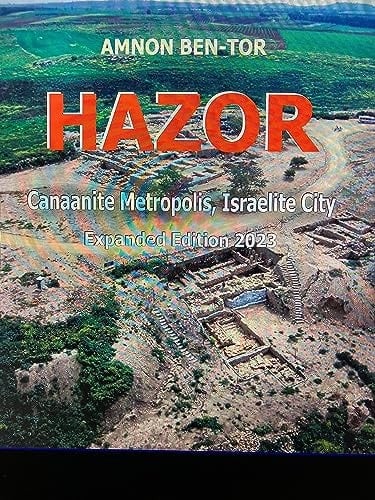
""Hazor formerly was the head of all those kingdoms"--thus wrote the chronicler of the Book of Joshua (11:10), and the source before him was undoubtedly reliable and accurate. During the thirty excavation seasons conducted at the site of ancient Hazor, it became clear that this was the largest and most important city-state in the Land of Israel in the second millennium BCE. At its floruit, Hazor spanned approximately 200 acres, ten times the size of Jerusalem in the days of Kings David and Solomon. In letters sent by the kings of Canaanite cities to the king of Egypt, uncovered in the archive of the city of Amarna in Egypt, Jabin, the ruler of Hazor, is the only one to be called "king". The Ceremonial Palace built in the center of Hazor is the largest and most impressive public structure to have been built in that period in the Land of Israel, and the magnificent finds uncovered within it point to extensive commercial, cultural, and artistic ties with the centers of power in the region, from Babylon in the east, through the Hittite kingdom and Egypt, all the way to Cyprus and Greece in the west. Hazor's days of grandeur came to an end with its fall into the hands of the Israelite tribes that settled the land, following which the entire land was settled: "Joshua took all that land: the hill country, and all the Negeb... the lowland, and the Arabah... even from Mount Halak, that goeth up to Seir, even unto Baalgad in the Valley of Lebanon under Mount Hermon" (Joshua 11:16-17). Following its reestablishment in the days of the United Monarchy, Israelite Hazor was no longer "the head of all those kingdoms". The capital of the United Monarchy was Jerusalem, and when it was divided, Samaria became the capital of the Kingdom of Israel. Nonetheless, Hazor was of the utmost importance in those days too [...].".
Page Count:
254
Publication Date:
2023-01-01
ISBN-10:
9652211303
ISBN-13:
9789652211309