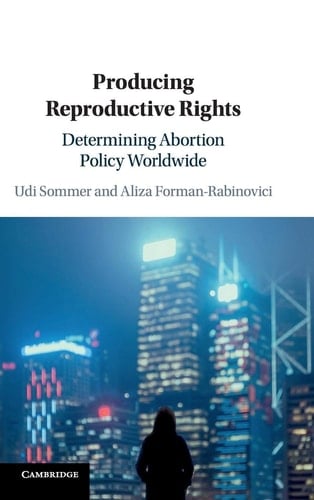
Author Description
"Introduction: Producing Reproductive Rights The global push for women's rights have entered a new era, embodied in the #metoo campaign, worldwide mass marches for women's rights and a popular push for reproductive rights such as in the case of the Irish abortion referendum, among many other examples. In 2018 only, this new wave has seen legislation initiatives in Argentina, judicial challenges in Brazil and the Kavanagh US Supreme Court confirmation battle in the US, to name a few cases. The topics of gender equality, women's physical autonomy and abortion rights dominate headlines as much now as ever. Around the globe, countries continue to debate gender equality in general, and in particular if and how women should have access to abortion. In the Paraguayan capital of Asuncion, Casa Rosa Maria is a shelter for young mothers. Some are young teenagers. Many of these girls have been denied abortion under the country's restrictive reproductive policies. In Uzbekistan, with a Muslim majority of 90%, abortion is available on demand. At times, it's even used as a form of contraceptive. Until 2018, every year thousands of Irish women engaged in "abortion travel", hopping the channel to undergo in England a simple procedure, which until recently was almost entirely illegal in their home country. These are the stories that do not always make the news. When they do, they are often treated as isolated incidences, relevant in their individual countries, but unconnected to greater worldwide trends. However, policy is not made in a political void. This book poses the following question: how can we explain the dramatic differences in how countries legislate women's reproductive rights and autonomy?"--
Page Count:
222
Publication Date:
2019-08-15
ISBN-10:
1108493165
ISBN-13:
9781108493161