Author Description
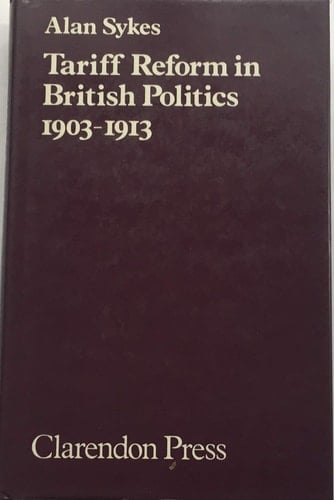
The issues raised by Joseph Chamberlain's campaign for imperial preference and social reform - poor trading performance, unemployment, the proper area of state responsibility and the level of taxation - are now the commonplace problems of twentieth century politics. At the turn of the century these problems were relatively new, political attitudes to them undefined, and parties not yet defined along class lines. Chamberlain's challenge to the prevailing orthodoxy of free trade and existing party alignments threw the Edwardian political world into a ferment of competing factions.The theme of this book is the interplay and evolution of these factions, both Liberal and Unionist, and in particular the evolution of tariff reform as a policy and as a movement. By concentrating on the impact of 'socialism' after 1906 it shows how the central position collapsed as 'moderates' of both parties were forced to choose between 'socialism' and 'protection'. At the same time it explains how tariff reform itself was transformed from a radical policy in its own right into an expedient to defend traditional Conservative causes. The capture of the Unionist party was a hollow victory and the abandonment of tariff reform by that party in 1913 the abandonment of a tactic not a conviction.In so doing, the Unionists abandoned also the vision of their party as a radical party transcending class barriers and accepted their position as a conservative party. An examination of their attitudes towards other social issues shows a retreat on all fronts from the policies associated with tariff reform. But although the tariff reform campaign failed, the controversy forced contemporary politicians to clarify their attitudes towards the issues which would dominate politics into the new century. Their acceptance of class politics was reluctant, and emerged only in the course of a decade of debate.
Page Count:
352
Publication Date:
1979-01-01
ISBN-10:
0198224834
ISBN-13:
9780198224839
Great Britain