Author Description
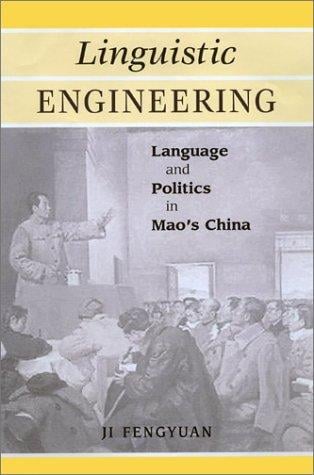
"In an introductory chapter, Dr. Ji assesses the potential of linguistic engineering by examining research on the relationship between language and thought. In subsequent chapters, she traces the origins of linguistic engineering in China, describes its development during the early years of Communist rule, then explores in detail the unprecedented manipulation of language during the Cultural Revolution of 1966-1976. Along the way, she analyzes the forms of linguistic engineering associated with land reform, class struggle, personal relationships, the Great Leap Forward, Mao worship, Red Guard activism, revolutionary violence, public criticism meetings, the model revolutionary operas, and foreign-language teaching. She also reinterprets Mao's strategy during the early stages of the Cultural Revolution, showing how he manipulated exegetical principles and contexts of judgment to "frame" his alleged opponents. The work concludes with an assessment of the successes and failures of linguistic engineering and an account of how the Chinese Communist Party relaxed its control of language after Mao's death." "Linguistic Engineering is a powerfully argued and innovative work that has much to offer all those with an interest in language, political communication, Chinese communism, the literature of revolutions, and the psychology of persuasion."--Jacket.
Page Count:
328
Publication Date:
2003-01-01
ISBN-10:
0824825365
ISBN-13:
9780824825362
Art
History
Politics