Author Description
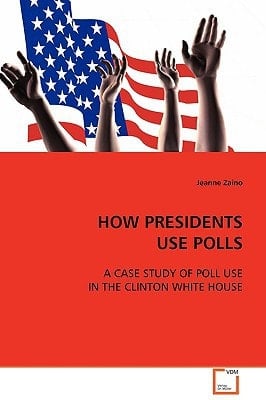
When he ran for President in 2000, George W. Bush told voters that he did not govern based on polls or focus groups. Yet a year into his presidency the facts told a different story. Like his predecessors, he assembled a team of top-notch pollsters and focus groups experts and spent a good deal of money collecting data. His actions are in keeping with what has become a common practice among modern American presidents. Since the advent of polling, presidents have not only collected this data, but fervently denied using it. All of which raises a question – how do they use the vast amount of polling data at their disposal? This study builds on the sociology of knowledge application literature to develop several models of poll use. These models are tested on cases of policy-making during the Clinton White House. The case analysis shows that presidents use polls in a variety of ways, not all of which advance the majority will. As a result, those who are seeking a larger voice for the public in democratic affairs are cautioned against relying on these ''instruments of democracy'' as a primary linking mechanism.
Page Count:
332
Publication Date:
2008-11-10
ISBN-10:
3639092058
ISBN-13:
9783639092059