Author Description
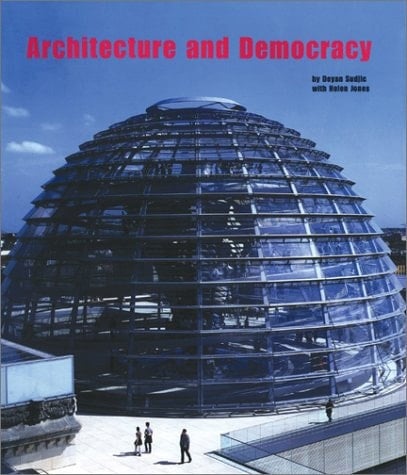
How do buildings reflect the political ideologies of their time? This fascinating look at the architecture of democratic buildings reveals the ways that some of our most recognizable parliamentary structures celebrate the lasting principles of freedom and humanity: from the earliest classical models of the Ancient World up to the newest monuments being built today. Starting with the ancient Greeks, this book uses numerous interior and exterior shots, sketches, blueprints, and drawings to show how the classical style came to exemplify the ideal form well into the 19th century. It compares and contrasts details of 20th century buildings from nearly every continent to show how the rise of nationalism resulted in more varied styles designed to reflect culture and heritage. And it illustrates the Modernists later response to this architectural challenge, as evidenced by Niemeyers designs for Brasilia, Le Corbusiers for Chandigarh, Louis Kahn for Dacca, and Norman Fosters glorious renovation of the Reichstag in Berlin. The book closes by focusing on Britains extraordinary wealth of parliamentary buildings, including a detailed examination of the evolution of the Scottish Parliament designed by Spanish architect Enric Miralles, currently under construction. Anyone interested in architecture, history, politicsor in how the three disciplines complement each otherwill find much to learn in this enlightening, richly illustrated work.
Page Count:
184
Publication Date:
2001-01-01
ISBN-10:
3823855654
ISBN-13:
9783823855651