Author Description
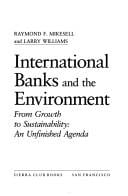
Although many multilateral development banks (MDB's) now include environmental departments and have begun to consider potential ecological impacts of their loans to developing nations, these international moneylenders are not yet using their full potential to influence Third World countries toward sustainable development. The importance of the environment and resource conservation began to receive greater attention in 1970 when Robert S. McNamara, then president of the World Bank, appointed the bank's first environmental advisor. This appointment failed to shift the bank's lending policies, which considered only economic and technical feasibility and often left in their wake contaminated waterways and coastal areas, scorched tropical forests, and intensified human misery in Third World populations already stretched beyond endurance. Raymond Mikesell and Lawrence Williams argue that even though development banks have made some commendable progress--especially in the past several years--there is still much left to be done. It is imperative that MDB's learn to fund irrigation projects that increase agricultural output without damaging the soil or polluting waterways, and support forest projects that will use resources productively without destroying ecosystems or indigenous cultures. Multilateral banks can improve their performance--and the public can press them toward reform--by learning from both the satisfactory and unsatisfactory operations of the past. Mikesell and Williams review in detail the ecological and human consequences of projects supported by development banks over the past three decades. They analyze the problems associated with agricultural projects, forestry programs, and development initiatives for mining, livestock, power, and infrastructure. The authors explain not only how environmental principles can be integrated with traditional development policies and practices, but also how the banks can actively promote sustainable resource development in programs initiated by Third World governments and nongovernmental agencies. "Our approach is intended to be constructive and optimistic," Mikesell and Williams explain. "Bank bashing is not the purpose of this book... We believe that these institutions are making progress in safeguarding the environment in the projects they support, but that this process is moving too slowly." Environmental activists, economic planners, and anyone concerned about sensible resource conservation on a global scale will find International Banks and the Environment an indispensable guide for understanding environmental impacts and for advancing beyond the shortsighted planning that has put our planet--and ourselves--at risk.
Page Count:
302
Publication Date:
1992-01-01
ISBN-10:
0871566400
Community Tags
Reader Comments
Share Your Thoughts
No comments yet. Be the first to share your thoughts!