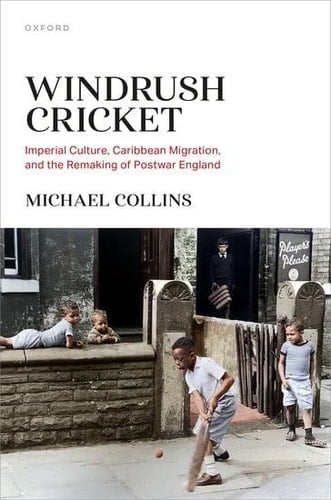
Windrush Cricket: Imperial Culture, Caribbean Migration, and the Remaking of Postwar England
0
0
Author Description
It Is Generally Understood That Cricket Was Of Historical Importance In The Anglophone Caribbean, That It Was A Form Of Cultural Imperialism Within The British Empire, And That The Rise Of West Indies Cricket To Pre-eminence On The International Stage From The 1950s Marked A High-point Of Caribbean Unity And Anti-colonial Resistance. However, This Book Argues That The Frameworks Within Which Cricket, The Caribbean, And England Have Been Analysed Have Obscured The Post-world War Ii 'windrush' Experience And The Impact Of Windrush Settlement On England. The Book Argues That From The 1920s Onwards, Cricket Was The Most Significant Way In Which Black West Indians Were 'represented' To White Audiences In Metropolitan Britain. During World War Ii, A Surprising And Under-recognised Amount Of Cricket Was Played On The Domestic 'home Front', Part Of A Propaganda Effort Promoting The 'imperial Unity', Within Which Black Cricketers Played A Prominent Role. Up To This Point, Black West Indian Cricketers Fitted Into An Overarching Conception Of The Empire As 'multiracial', In Which Different 'races' Belonged In Different Places. The Radical Departure Marked By The Windrush Generation Was Their Claim To Permanent Residence In England Itself, Their Fight For The Full Rights Of Citizenship, And Hence Transformation Of 'racial' Underpinning Of What It Means To Be British. The Book Explains Not Just The Cultural Importance Of Cricket To The Windrush Generation But Its Social Effects, How It Bolstered The Capacity Of Immigrants To Build New Lives, And Hence, Through Cricket, How West Indians 'remade' Postwar England-- Provided By Publisher.
Page Count:
240
Publication Date:
2026-02-09
ISBN-10:
0198875703
ISBN-13:
9780198875703
History
Educational Resources
Europe