Author Description
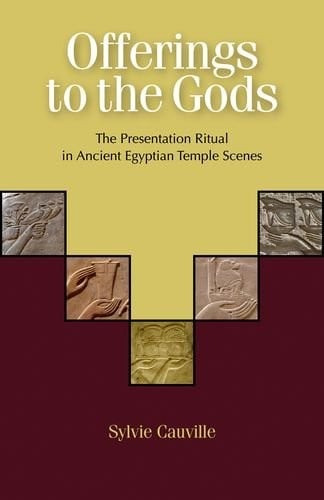
In predynastic Egypt, the temple began very modestly as a simple mud hut in which the local god received prayers and offerings. The transition to stone architecture created a lasting framework for the deity, ensuring the perpetuation of its existence and protecting it from evil forces. On the walls of ancient Egyptian temples, covered in inscriptions and narrative and symbolic scenes, a recurrent theme can be detected: the face-to-face encounter between king and god. The act of offering, which unites the two actors, is an enduring code; the perpetual exchange between man and god is carried out with fruits and flowers, perfumes and precious stones, breads and meat, amid scenes of celebration. The temple was more than a sacred enclosure for the divine; by maintaining daily offerings to the god, a king would ensure the fertility of his land, and the prosperity of his people. Sylvie Cauville decodes the hieroglyphs and symbolic imagery of offering scenes on temple walls at Dendera, Edfu, Karnak, and Philae, among others. Illustrated with over a hundred line drawings and accompanied by hieroglyphic inscriptions and translations, each entry describes a kind of offering and its significance.
Page Count:
256
Publication Date:
2011-01-01
ISBN-10:
9774164768
ISBN-13:
9789774164767
Community Tags
Reader Comments
Share Your Thoughts
No comments yet. Be the first to share your thoughts!