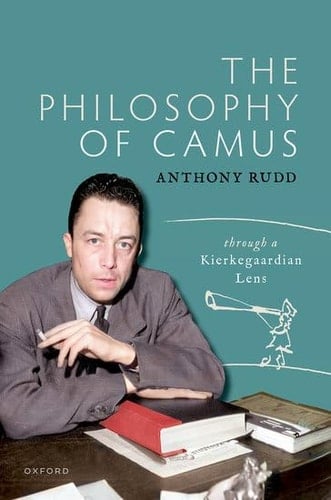
Author Description
Although Albert Camus Is Recognised As An Important Novelist And Political Commentator, He Is Often Still Underrated As A Philosopher. This Study, Focussing On Camus' Explicitly Philosophical Writings, Provides A Detailed Examination Of His Intellectual Development, And Argues That His Work Constitutes A Coherent, Carefully Argued Meditation On Central Philosophical Themes. A Systematic Comparison Of Camus With Soren Kierkegaard Provides An Interpretive Lens Through Which Camus' Central Philosophical Concerns Are Brought Into Sharper Focus. Camus' Three Thematic Cycles - Dealing With Absurdity, Revolt And Nemesis - Are Compared And Contrasted With Kierkegaard's Three Stages - The Aesthetic, Ethical And Religious - In Order To Explicate Camus' Development From A Radical Amoralism, To An Ethical Philosophy And Then To The Quest For Something Beyond Ethics. Emphasis Is Placed On Camus' Fragmentary And Uncompleted Later Thoughts, And Especially His Turn To Nature As A Source Of Value. Despite The Substantial Changes In Camus' Thinking, It Is Argued That A Creative Tension Between Two Kinds Of Religious Or Quasi-religious Sensibility Runs Through All Phases Of His Work - A Pantheistic Acceptance Of The Order Of The World And A Quasi-gnostic Rebellion Against It For The Suffering It Involves. As Well As Kierkegaard, The Book Brings Camus Into Conversation With Other Figures From Both The Continental And Analytical Philosophical Traditions, And Considers Ways In Which His Arguments Might Be Further Developed And Explicated-- Provided By Publisher.
Page Count:
192
Publication Date:
2025-03-12
ISBN-10:
0198924836
ISBN-13:
9780198924838
Philosophy
Politics & Social Sciences
Ethics & Morality
Movements
History & Schools of Thought