Author Description
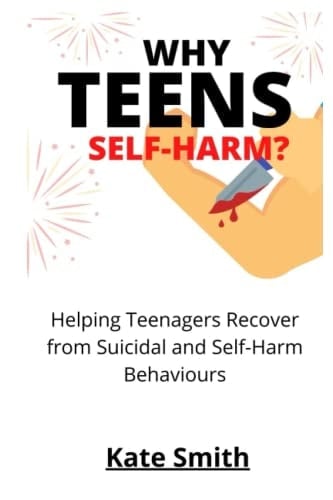
Self-harm is when people deliberately hurt themselves as a way of coping with painful or strong emotions. It's a way of trying to get control over the feelings or relief from them.<br>Self-harm needs to be taken seriously. It can become a habit or a compulsion. Repeated self-harm can lead to serious injuries, scarring, medical conditions and accidental death. And people who self-harm are at increased risk of attempting suicide.<br>Some teenagers and young people deal with strong emotions in less obvious but still serious ways. These include binge-drinking, taking a lot of drugs, having unsafe sex or starving themselves.<br>An important part of helping teens recover from self-harm is understanding why they do it in the first place. There isn't a simple answer to this question but, in general, some teens use self-harm to relieve tension by stimulating endorphins while others use self-harm to feel physical pain instead of emotional numbness. Stress and pressure, anxiety, and depression are all associated with self-harm in adolescence.<br>Take time to identify your own feelings and find a way to express them. This might mean having a good cry, talking with a friend, or going for a walk to let off steam or quietly reflect. If you feel overwhelmed, talking with a therapist can help you sort things through and gain some perspective so that you can provide the support your teen needs. <p>Parents can help teens who cut - and the earlier, the better. Cutting can be habit-forming, and sadly, many people underestimate the risks of getting seriously sick or hurt that go along with it.<br>The most important thing is letting your child know that strong feelings are normal - but they're also hard to have. And when you're in your teens, things can seem even harder. <p>IT IS IMPORTANT YOU GET A COPY OF THIS BOOK.
Page Count:
42
Publication Date:
2021-09-26
ISBN-13:
9798484519361