Author Description
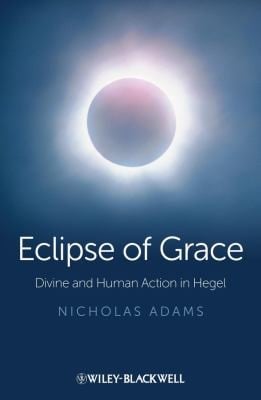
In order to gain an understanding of the great twentieth-century theologians--from Barth and Balthasar to Moltmann and Pannenberg--it is crucial to grasp the ideas and influence of Hegel. 'Eclipse of Grace' brilliantly introduces systematic theologians and Christian ethicists to Hegel through a focus on three of the German philosopher's seminal texts: Phenomenology of Spirit, Science of Logic, and Lectures on the Philosophy of Religion. Acknowledging that Hegel is often considered a liability for contemporary theological study, the author takes a groundbreaking new approach to an understanding of the roots of modern theology. He argues that Hegel's importance for theology is best appreciated if one ignores his theological proposals and instead seeks to discern the logic that he develops out of a sophisticated engagement with Christian doctrines. This logic is one in which false oppositions--between thinking and being, subject and object, individual and community, and faith and reason--are overcome. Innovative and scholarly, 'Eclipse of Grace' reveals how a close scrutiny of the works of Hegel remains vital for the study of contemporary theology and theologians. (Back cover).
Page Count:
240
Publication Date:
1991-01-01
ISBN-13:
9781118465882
Religion
Philosophy