Author Description
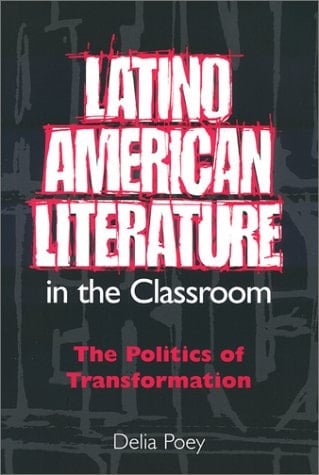
"Poey's study of the institutionalization of Latin American and Latino literature in the U.S. academy is original, smart, spirited, and full of shrewd observations."--Gustavo Prez Firmat, David Feinson Professor of Humanities, Columbia University<br> <br> <br> In this original look at how ethnic literature enters the U.S. classroom and the literary canon, Delia Poey compares the risks facing teachers and interpreters of well-known Latina/o or Latin American texts with those run by the "coyote" who smuggles undocumented workers across the U.S./Mexico border: both are in danger of erasing those cultural traits that made the border crossers important.<br> <br> Poey shows that these texts have yet to be fully mainstreamed into the curricula, and that teachers of multicultural literature inadvertently re-colonize the texts by failing to treat them "on their own terms." She goes beyond highlighting the ways a superficial understanding of Latin American literature has led to an even more superficial or problematic reception of Latina/o texts and offers solutions. In looking at such familiar books as <i>Borderlands, Hunger of Memory, House on Mango Street, Bless Me Ultima,</i> and <i>One Hundred Years of Solitude</i>, Poey not only provides teachers and critics of Latina/o literature with innovative and viable approaches to these texts but proposes new contexts for them and new ways of viewing how they have been treated in classrooms and criticism.<br> <br> Far more than merely an entry in the current debate over canon and curricular reform, the work combines a practical approach to teaching Latina/o literature with suggestions on diversifying curricula and revising established reading practices.<br> <br> Delia Poey is assistant professor of Spanish at Florida State University.
Page Count:
125
Publication Date:
2002-01-01
ISBN-10:
0813024773
ISBN-13:
9780813024776