Author Description
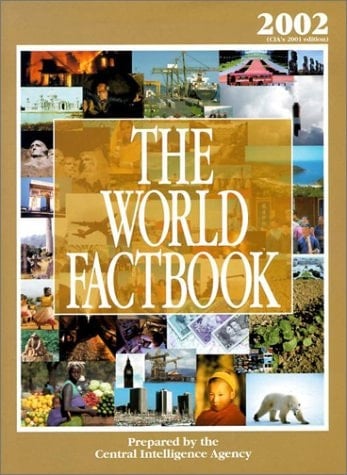
The Intelligence Cycle is the process by which information is acquired, converted into intelligence, and made available to policy makers. Information is raw data from any source, data that may be fragmentary, contradictory, unreliable, ambiguous, deceptive, or wrong. Intelligence is information that has been collected, integrated, evaluated, analyzed, and interpreted. Finished intelligence is the final product of the Intelligence Cycle ready to be delivered to the policymaker. The three types of finished intelligence are: basic, current, and estimative. Basic intelligence provides the fundamental and factual reference material on a country or issue. Current intelligence reports on new developments. Estimative intelligence judges probable outcomes. The three are mutually supportive: basic intelligence is the foundation on which the other two are constructed; current intelligence continually updates the inventory of knowledge; and estimative intelligence revises overall interpretations of country and issue prospects for guidance of basic and current intelligence. The World Factbook, The President's Daily Brief, and the National Intelligence Estimates are examples of the three types of finished intelligence, The Factbook was created as an annual summary and update to the encyclopedic National Intelligence Survey studies. The World Factbook serves as a guide to country profiles of countries throughout the world. It contains a wealth of information on geography (including physical and political maps), people, governments, economies, communications, transportation, military branches (including manpower and expenditures), and transnational issues of individual countries of the world.
Page Count:
658
Publication Date:
2002-01-01
ISBN-10:
1574884751
ISBN-13:
9781574884753