Author Description
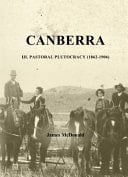
This volume commences with the free selection revolution of 1862. McDonald explains how land reform was bitterly opposed by most squires, who bullied small farmers, used 'dummy' selections to grab land themselves, closed public roads, and used fraud and litigation to get their way. But it also shows how resilient the free selectors were and how they organised to defend themselves. McDonald brings the farming communities back to life, block by block. Using a new database, he examines the demography of the Canberra-Queanbeyan district in the last half of the nineteenth century. He reveals the degree of tolerance (or lack of it) towards ethnic groups, LGBTQI+ individuals, and minority faiths. His, is the first study to cover the impact of the women's suffrage movement in the district and the lives of its female farmers and business leaders. He dispels the notion that a rare 'racial harmony' existed in the district, as Aboriginal children were stolen, and the surviving bands were forced into distant missions and reserves as part of assimilation. Canberra III also shows how the Molonglo became a food bowl for Sydney and, as the colonies edged closer to federation, how national issues such as protectionism, trade unionism, and the development of a national psyche played out along the Molonglo and Murrumbidgee. The tangled politics of the region are also unravelled with the pastoral plutocrats steadily losing gravitas and control. This much-anticipated third volume in McDonald's seminal Canberra series has 37 maps, figures and tables, and 27 biographies and topic boxes.
Page Count:
446
Publication Date:
2025-02-01
ISBN-10:
0987049763
ISBN-13:
9780987049766