Author Description
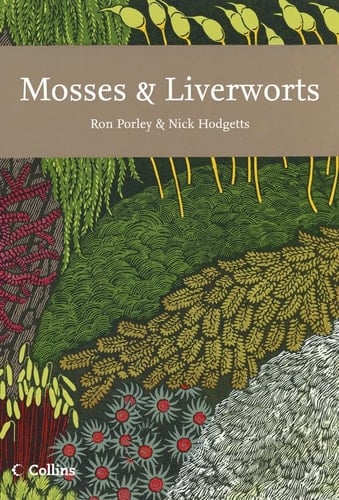
A long-awaited addition to the botany titles in the Collins New Naturalist series, now in its 60th year. Mosses and liverworts - known as bryophytes - are a group of approximately 24,000 fairly low-growing plants which have no roots to speak of. Nor do they have flowers, but breed instead by spores. This authoritative guide explains their ecological importance, how they can act as environmental indicators and their general biology. It covers: distribution patterns and dispersal mechanisms; their relation with climate; historical uses for mosses; and habitats and emmunities. This is a branch of botany which has always relied heavily on amateur involvement, and the authors explain what amateurs can do today to increase knowledge about these essential plants. A long-awaited addition to the botany titles in the Collins New Naturalist series, now in its 60th year. Mosses and liverworts - known as bryophytes - are a group of approximately 24,000 fairly low-growing plants which have no roots to speak of. Nor do they have flowers, but breed instead by spores. This authoritative guide explains their ecological importance, how they can act as environmental indicators and their general biology. It covers: distribution patterns and dispersal mechanisms; their relation with climate; historical uses for mosses; and habitats and emmunities. This is a branch of botany which has always relied heavily on amateur involvement, and the authors explain what amateurs can do today to increase knowledge about these essential plants.
Page Count:
495
Publication Date:
2005-01-01
ISBN-10:
0007174004
ISBN-13:
9780007174003
Life sciences
Plants
Botany
Science
Flowers
Nature