Author Description
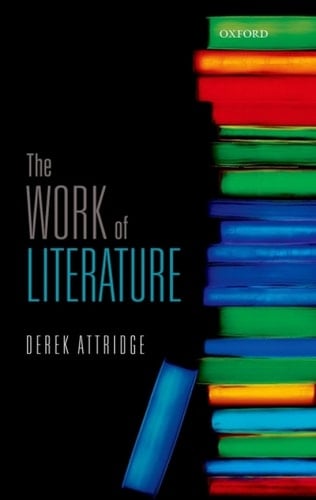
What is distinctive about the cultural practice called 'literature'? How does it benefit individuals and society? How do literary works retain their importance and their capacity to give pleasure over decades and centuries? What constitutes responsible criticism? These are some of the questions addressed in this book, which develops the arguments put forward in Derek Attridge's influential study The Singularity of Literature (2004). Beginning with an extended cross-examination in the form of an interview addressing a range of topics relating to the work of literature (understood both as the activity of the writer and as the text itself) and the practices of literary reading and literary criticism, it asks what it means to 'do justice to' a work of literature, provides a full account of the concept of singularity, considers the problematic power of criticism, and advances an account of the role of context in the writing and reading of literary works. In other chapters it explores the issue of cultural difference in responses to literature, discusses the working of metaphor, questions the attribution of knowledge to literary works, and addresses the topics of affect and hospitality. The book follows through the consequences of regarding the singular and inventive work of literature as an event that takes place anew each time it is read, providing an opening to an otherness excluded by prevailing cultural norms and habits of thought and feeling. Although the focus of the book is on literature, the arguments are relevant to all the arts, and engage with the thought of major aesthetic theorists in a number of traditions.
Menrva's Summary
THE THESIS
This book investigates the fundamental nature of literature as a cultural practice and its enduring capacity to provide meaning and pleasure across generations. Derek Attridge, a prominent scholar in literary theory, builds upon his previous work to examine the ethical and aesthetic dimensions of reading and writing. He presents a framework that treats the literary work as a singular event, arguing that criticism must remain open to the otherness and inventiveness inherent in the text.
THE SCOPE MAP
What You Will Find
- An extended interview format addressing core questions of literary value and critical responsibility.
- A detailed conceptualization of literary singularity and the role of context.
- Theoretical explorations of metaphor, affect, hospitality, and cultural difference.
Scope Limits
- The text does not provide a comprehensive history of literature or a survey of specific literary movements.
- It does not offer a prescriptive guide for pedagogical methods in the classroom.
THE AUTHORITY PERSPECTIVE
Scholars and students of literary theory frequently cite this work as a significant extension of Attridge's earlier contributions to the field of aesthetics. Readers often note the academic density of the prose, which requires familiarity with contemporary critical theory to fully grasp the author's arguments.
Page Count:
336
Publication Date:
2015-01-01
ISBN-10:
0191047589
ISBN-13:
9780191047589
Philosophy
English
Literature
Literary Criticism
English & College Success
Literary theory
Aesthetics