Author Description
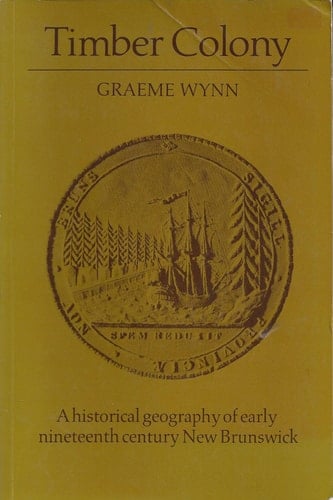
This study in historical geography examines the transformation of a colony under the impact of British capitalism in the first half of the nineteenth century. Cross-sectional views covering a 45-year period reveal the changes in landscape, economy, and society wrought by forest exploitation and illustrate the dramatic influence of modern industrialization on British North American development. Wynn discusses the rapid rise and dimensions of the timber trade and the economic instability of the dependent colonial economy, revealing the impact of fluctuating demands and prices on provincial development. He examines the connections between lumbering, settlement, farming, and individual economic opportunity. This study brings theory on vertical mobility of populations in frontier and industrializing economies to bear upon the special staple trading situation in New Brunswick. The emergence of a handful of dominant enterprises was fostered by technical advances and by the provincial system of forest administration, and the scatter of small mills gave way to a tightly integrated system of manufacture and exchange. Although the favorable man/land ration and extensive resources initially allowed small operators considerable financial gain, it was clear by 1850 that there was a growing proletariat.
Page Count:
224
Publication Date:
1981-01-01
ISBN-10:
0802064078
ISBN-13:
9780802064073