Author Description
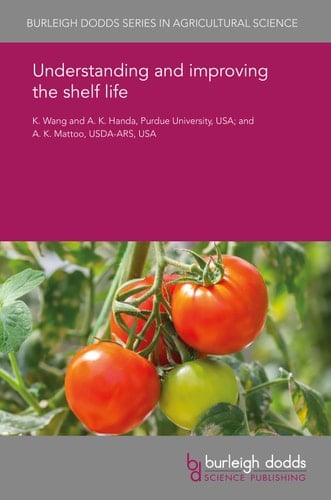
The shelf life of tomatoes is regulated via a myriad of physiological, biochemical and environmental processes. Tomato, a climacteric fruit, undergoes increases in respiration and ethylene production at the onset of ripening; once the ripening process is initiated it cannot be reversed. Ripening is associated with marked changes in gene expression, regulating the biosynthesis of a large number of catabolic enzymes, including cell wall hydrolases implicated in fruit softening. This chapter explores the advantages and disadvantages of cultivating ripening-impaired tomato mutants and genetically engineered genotypes characterized by inhibition of the ripening process. It shows how control of tomato diseases during both pre-harvest and post-harvest operations can avoid devastating losses, and considers the use of ethylene inhibitors, such as aminoethoxyvinylglycine (AVG), and 1-MCP, post-harvest management through modified atmosphere packaging, temperature and humidity control, and off-vine ripening of mature green tomato fruit during transit or the marketing chain.
Page Count:
288
Publication Date:
2017-01-01
ISBN-10:
1838792856
ISBN-13:
9781838792855
Community Tags
Reader Comments
Share Your Thoughts
No comments yet. Be the first to share your thoughts!