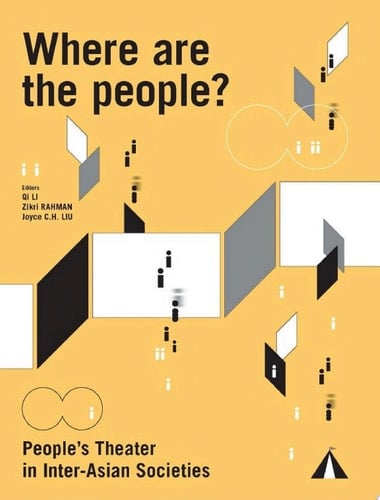
Where are the people? People’s Theater in Inter-Asian Societies
0
0
Author Description
Where Are the People? How Could the People’s Bodies Voice Themselves in the Form of Theatrical Aesthetics? At That Time, the Audience Really Stood Up. In this evening, theater practitioners initiated the conversation with physical action. They engage with contemporary issues through their unique performance styles. From a discursive context, they enter the scene of resistance and undertake the labor of performance. Their performance is not just the preface to a series of dialogues, but also a witness to thirty years of People’s Theater. “People’s theater” belongs to the people. It is the theater created by the people and speaks for the people as it has appeared in history in diverse forms. People theater in Inter-Asian Societies began to grow in a cross-region, which included Jakarta, Manila, Bangkok, Kuala Lumpur, Hong Kong, Tokyo, Busan, Maputo, Beijing, Shanghai, Hualien, Taichung, and Taipei. Through the writings and images written down by theatrical artists from these spaces, we can figure out the body aesthetics that carry historical conflicts and the experience to find the form and channel of expression, and continue for work of thinking and creation. “People Theater” is nothing but a rehearsal for a revolution. This book has reviewed and reflected on the half-century development of people’s theater in inter-Asian societies, demonstrates how the theatrical practitioners and artists in different communities strived to open various spaces, dealt with the censorship from the authoritarian regime to the neoliberal societies, and experimented with diverse aesthetics and local objects to address political issues. Preface “It is a collection with the premise that can motivate our critical thinking with bodily energy. It reflects how we realize the statement—‘Viewing as participating; audience as actors.’It is also a book where some keywords constantly appear, like resistance, politics, the oppressed,
Page Count:
292
Publication Date:
1900-01-01
ISBN-10:
9865470705
ISBN-13:
9789865470708
Community Tags
Reader Comments
Share Your Thoughts
No comments yet. Be the first to share your thoughts!