Author Description
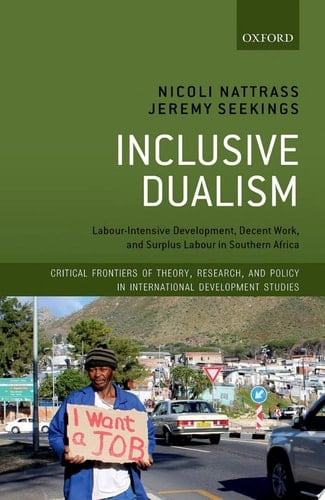
W. Arthur Lewis, The Founding Father Of Development Economics, Proposed A Dualist Model Of Economic Development In Which 'surplus' (predominantly Under-employed) Labour Shifted From Lower To Higher Productivity Work. In Practice, Historically, This Meant That Labour Was Initially Drawn Out Of Subsistence Agriculture Into Low-wage, Labour-intensive Manufacturing, Including In Clothing Production, Before Shifting Into Higher-wage Work. This Development Strategy Has Become Unfashionable. The International Labour Organisation (ilo) Worries That Low-wage, Labour-intensive Industry Promises Little More Than An Impoverishing 'race To The Bottom'. Inclusive Dualism: Labour-intensive Development, Decent Work, And Surplus Labour In Southern Africa Argues That Decent Work Fundamentalism, That Is The Promotion Of Higher Wages And Labour Productivity At The Cost Of Lower-wage Job Destruction, Is A Utopian Vision With Potentially Dystopic Consequences For Countries With High Open Unemployment, Many Of Which Are In Southern Africa. Using The South African Clothing Industry As A Case Study Inclusive Dualism Argues That Decent Work Fundamentalism Ignores The Inherently Differentiated Character Of Industry Resulting In The Unnecessary Destruction Of Labour-intensive Jobs And The Bifurcation Of Society Into Highly-paid, High-productivity Insiders And Low-paid Or Unemployed Outsiders. It Demonstrates The Broader Relevance Of The South Africa Case, Examining The Growth In Surplus Labour Across Africa. It Shows That Low- And High-productivity Firms Can Co-exist, And Challenges The Notion That A Race To The Bottom Is Inevitable. Inclusive Dualism Instead Favours Multi-pronged Development Strategies That Prioritise Labour-intensive Job Creation As Well As Facilitating Productivity Growth Elsewhere Without Destroying Jobs.
Page Count:
264
Publication Date:
2019-01-01
ISBN-10:
0192578472
ISBN-13:
9780192578471