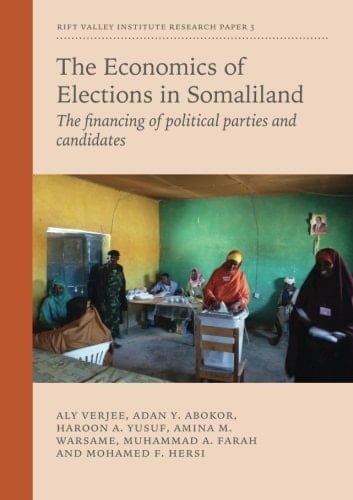
The Economics of Elections in Somaliland The Financing of Political Parties and Candidates
0
0
Since multi-party democracy was introduced in Somaliland in 2002, elections have successfully ushered in peaceful transfers of power. But questions have been raised about election financing. This study argues that in Somaliland, as elsewhere, elections should be understood not just as political processes, but also as economic events in which parties, and candidates and their supporters make investments with no guarantee of return. The Economics of Elections in Somaliland examines candidates’ expenditure and sources of income in the 2005 parliamentary and 2012 local council elections. To compete, candidates need to commit significant funds, often resorting to loans to fund their campaigns. The elections have given rise to a new language of electoral politics and new professions, such as vote broker. The study concludes that conceiving of elections solely as exercises in democratic representation ignores a broader social and economic reality. The lack of a regulatory system for campaign finances may compromise future electoral processes in Somaliland, and diminish both national and international confidence in them.
Page Count:
45
Publication Date:
2015-01-01