Author Description
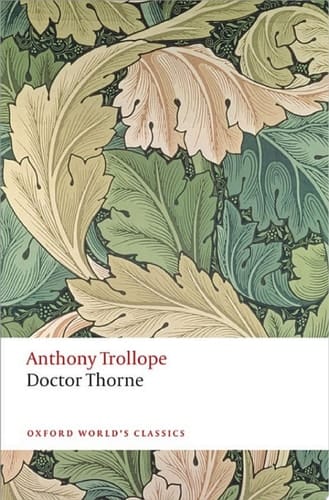
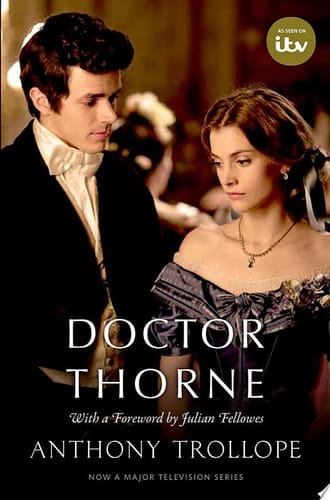
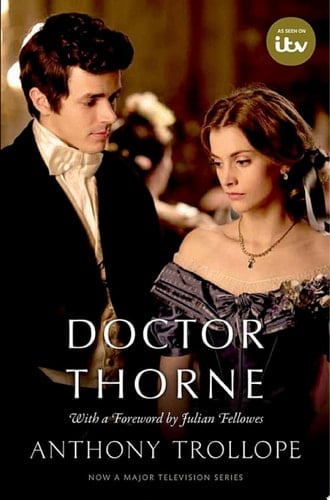
Now adapted for ITV by Julian Fellowes, Doctor Thorne is the compelling story in which rank, wealth, and personal feeling are pitted against one another. The squire of Greshamsbury has fallen on hard times, and it is incumbent on his son Frank to make a good marriage. But Frank loves the doctor's niece, Mary Thorne, a girl with no money and mysterious parentage. He faces a terrible dilemma: should he save the estate, or marry the girl he loves? Mary, too, has to battle her feelings, knowing that marrying Frank would ruin his family and fly in the face of his mother's opposition. Her pride is matched by that of her uncle, Dr Thorne, who has to decide whether to reveal a secret that would resolve Frank's difficulty, or to uphold the innate merits of his own family heritage. The character of Dr Thorne reflects Trollope's own contradictory feelings about the value of tradition and the need for change. His subtle portrayal, and the comic skill and gentle satire with which the story is developed, are among the many pleasures of this delightful novel.
Menrva's Summary
THE PULSE
A young man faces a conflict between his familial duty to restore his estate and his desire to marry a woman of mysterious origins. Frank Gresham, the heir to a crumbling estate, finds himself caught between the expectations of his social class and his affection for Mary Thorne, the niece of a local doctor. The narrative, presented in a third-person omniscient voice, examines the rigid social hierarchies of 19th-century England. As Frank and Mary navigate the pressures of family pride and financial necessity, they must contend with the influence of the local aristocracy and the weight of long-held secrets. The story unfolds within the structured, often stifling environment of the Barsetshire community, where every personal choice carries significant social consequences.
INSIDE THE PAGES
- Omniscient third-person narration
- Satirical commentary on Victorian social mores
- Focus on the intersection of wealth and marriage
- Exploration of class mobility and social status
- Character-driven plot development
- Detailed depiction of rural English life
- Moral dilemmas regarding inheritance and duty
- Use of irony to critique aristocratic values
THE COLLECTIVE ECHO
Readers and critics frequently highlight the balance between Trollope's gentle satire and his nuanced character studies. Discussion often centers on the moral integrity of the titular character and how his personal secrets influence the social fabric of Greshamsbury. Many observers appreciate the pacing, which allows for a deep examination of the characters' internal conflicts without sacrificing the narrative momentum. The work is often cited for its realistic portrayal of the tensions between tradition and the necessity of social change. Readers frequently note that the novel provides a clear window into the complexities of Victorian life while maintaining a focus on individual agency.
Page Count:
335
Publication Date:
2016-01-01
ISBN-10:
0191088560
ISBN-13:
9780191088568
Historical Fiction
Romance
Classic Literature
Social Satire
English
Victorian
English & College Success
Community Tags
More from Chronicles of Barsetshire