Author Description
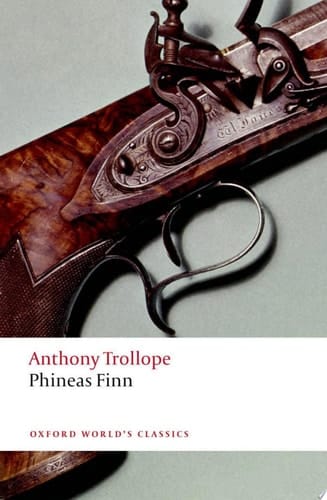
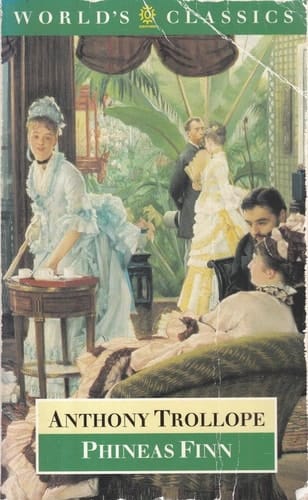
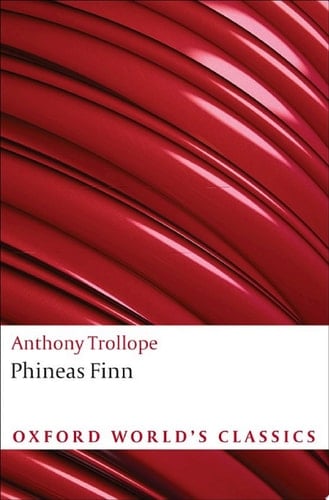
'To become a member of the British Parliament!...He almost thought that he could die happy' Phineas Finn, the handsome Irishman, is equally successful at scaling the political ladder and gaining the affection of influential women. As he makes his precarious way in parliament he discovers how far principles must be sacrificed to the common cause, and how essential money is to political progress. Set during the turbulent passage of the second Reform Act of 1867, the novel paints a vivid picture of the compromises and tactics of daily political life. Loss of independence is felt just as keenly by Lady Laura and Violet Effingham, whose choice of marriage partner will determine their future freedom as much as their happiness. With politics and the personal so closely entwined, Phineas faces an act of conscience that will have a profound effect on his life. The second novel in Trollope's Palliser series, Phineas Finn's engaging plot embraces matters as diverse as reform, the position of women, the Irish question, and the conflict between integrity and ambition.
Menrva's Summary
THE PULSE
Phineas Finn, a young Irishman, navigates the complex social and political hierarchies of Victorian London while attempting to balance his personal integrity with his ambition for parliamentary success. As he secures a seat in the House of Commons, Phineas must reconcile his idealistic principles with the pragmatic, often corrupt, demands of political life. His advancement is complicated by his relationships with several influential women, each of whom holds different expectations for his future. The narrative, presented in a third-person omniscient perspective, explores the intersection of public duty and private desire within the rigid constraints of 19th-century British society. The protagonist faces constant pressure to compromise his values to maintain his standing among the political elite.
INSIDE THE PAGES
- Detailed examination of the 1867 Reform Act and its impact on political maneuvering
- Exploration of the Irish Question and its influence on British parliamentary debates
- Analysis of the limited agency of women in Victorian marriage and social structures
- Use of social satire to critique the vanity and hypocrisy of the ruling class
- Focus on the financial burdens and personal costs of maintaining a political career
- Character-driven narrative emphasizing the tension between ambition and moral conscience
- Realistic depiction of the daily routines and procedural intricacies of the House of Commons
- Interweaving of romantic subplots with serious political discourse
THE COLLECTIVE ECHO
Readers and critics frequently highlight the novel's ability to render the dry mechanics of parliamentary procedure into a compelling human drama. Discussion often centers on the nuanced portrayal of Phineas as a protagonist who is both charming and occasionally frustrating in his indecision. Many observers note that the work provides a sharp, observant look at the social pressures of the Victorian era, particularly regarding the restricted roles of women. The pacing is often described as deliberate, favoring character development and social observation over rapid plot progression. This balance ensures that the political stakes remain grounded in the personal lives of the characters throughout the narrative.
Page Count:
630
Publication Date:
2011-01-01
ISBN-10:
0191620467
ISBN-13:
9780191620461
Fiction political
classic
Great Britain
Historical
English
Social Commentary
Victorian
Political fiction
English & College Success
Community Tags
More from Palliser