Author Description
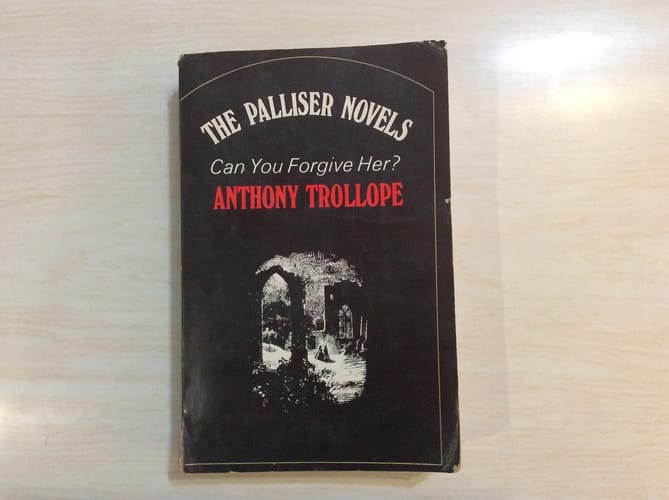
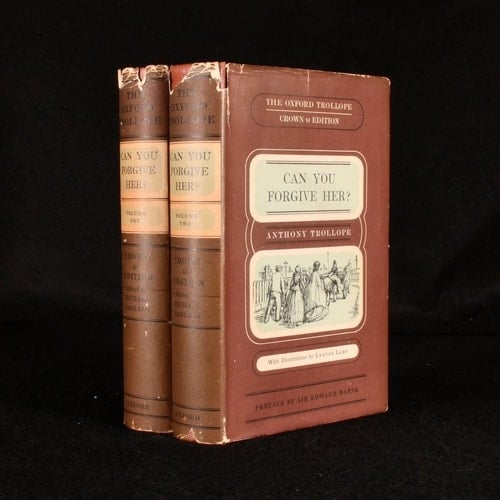
Can You Forgive Her? (1864-5) is the first of the six famous Palliser novels which, as a group, provide us with the most extensive and contradictory expose of British life during the period of its greatest prestige. In Can You Forgive Her? Trollope inextricably binds together the issues of parliamentary election and marriage, of politics and privacy. The values and aspirations of the governing stratum of Victorian society are ruthlessly examined and none remain unscathed. Above all Trollope focuses on the predicament of women. 'What should a woman do with her life?' asks Alice Vavasor of herself, and this theme is echoed by every other woman in the novel, from the uncomfortably married Lady Glencora to the coquettish Mrs Greenow and Alice's clear-headed cousin Kate.
Menrva's Summary
THE PULSE
Alice Vavasor faces a critical turning point when she breaks her engagement to a respectable suitor, triggering a complex investigation into the social and personal expectations placed upon Victorian women. Alice must navigate the rigid constraints of her class while balancing her desire for independence against the pressures of family and political ambition. The narrative follows her internal conflict and the parallel experiences of other women in her circle, all of whom grapple with the limitations of their roles in society. Trollope employs a third-person omniscient perspective to examine the intersection of private desire and public duty within the governing stratum of the era.
INSIDE THE PAGES
- Exploration of the Victorian marriage market
- Satirical critique of parliamentary politics
- Multi-layered character studies of female autonomy
- Examination of social status and financial independence
- Interwoven plot lines involving multiple romantic entanglements
- Detailed depiction of 19th-century British class structures
- Focus on the tension between personal integrity and societal expectation
- Use of irony to highlight the contradictions of the governing class
THE COLLECTIVE ECHO
Readers and critics frequently highlight the novel's sharp social commentary and its nuanced portrayal of the Victorian political landscape. Discussion often centers on the moral ambiguity of the characters and the effectiveness of Trollope's critique regarding the limited agency afforded to women of the period. Many observers note the balance between the intricate romantic subplots and the broader examination of parliamentary life, which serves to ground the personal drama in a wider societal context. The pacing is often described as deliberate, allowing for a thorough development of the various thematic threads that define the Palliser series. Readers appreciate the author's ability to maintain a neutral yet observant tone while dissecting the values and aspirations of the governing class.
Page Count:
1052
Publication Date:
1948-01-01
ISBN-10:
0192504681
ISBN-13:
9780192504685
Romance
Social Satire
Victorian
Classic Literature
Political fiction
Community Tags
More from Palliser