Author Description
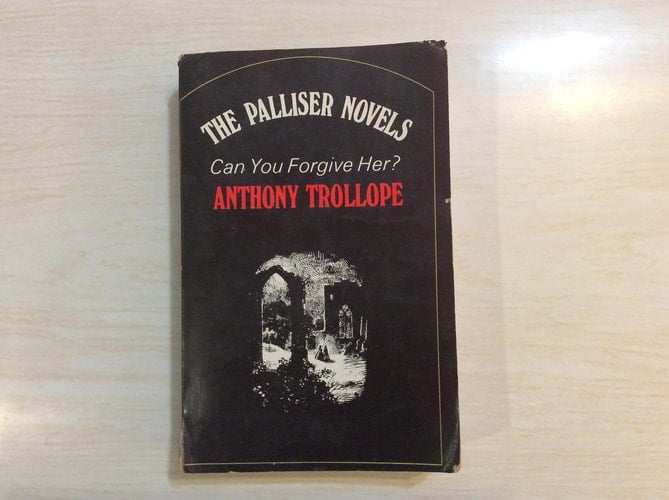
Can You Forgive Her? (1864-5) is the first of the six famous Palliser novels which, as a group, provide us with the most extensive and contradictory expose of British life during the period of its greatest prestige. In Can You Forgive Her? Trollope inextricably binds together the issues of parliamentary election and marriage, of politics and privacy. The values and aspirations of the governing stratum of Victorian society are ruthlessly examined and none remain unscathed. Above all Trollope focuses on the predicament of women. 'What should a woman do with her life?' asks Alice Vavasor of herself, and this theme is echoed by every other woman in the novel, from the uncomfortably married Lady Glencora to the coquettish Mrs Greenow and Alice's clear-headed cousin, Kate.
Menrva's Summary
THE PULSE
Alice Vavasor faces a critical turning point as she struggles to reconcile her desire for independence with the rigid societal expectations regarding marriage and duty. Alice finds herself caught between two suitors, each representing a different path for her future, while she grapples with the internal question of how a woman should define her own existence. Her dilemma is mirrored by the experiences of other women in her social circle, including Lady Glencora and Mrs. Greenow, who navigate their own constraints within the Victorian hierarchy. The narrative employs a third-person perspective to examine the intersection of private ambition and public political life. The world is defined by the strict social codes of the governing class, where personal choices are constantly weighed against reputation and parliamentary influence.
INSIDE THE PAGES
- Exploration of the Victorian marriage market
- Interweaving of political maneuvering and domestic life
- Multi-perspective character studies
- Satirical commentary on the governing class
- Detailed examination of female autonomy
- Realistic dialogue reflecting 19th-century social norms
- Contrast between rural and urban settings
- Focus on the tension between duty and personal desire
THE COLLECTIVE ECHO
Discussion often centers on the intricate balance Trollope maintains between the personal dilemmas of his female protagonists and the broader political landscape of the era. Readers frequently highlight the author's ability to present complex, often contradictory characters who defy simple moral categorization. Critics often point to the novel's pacing, which allows for a thorough examination of the social pressures exerted on women during the mid-Victorian period. The work is widely recognized for its sharp observation of the governing stratum, providing a detailed look at the values and aspirations of the time. Many readers appreciate the way the narrative threads of marriage and parliamentary election are woven together to create a cohesive critique of society.
Page Count:
427
Publication Date:
1973-09-01
ISBN-10:
0192811436
ISBN-13:
9780192811431
Romance
Social Satire
Classic Literature
Political fiction
Victorian
Community Tags
More from Palliser